What I Stock Up On From Azure Standard for Fall
See what I stock up on from Azure Standard for fall, including bulk pantry staples, baking ingredients, soup essentials and simple foods for a well-stocked fall pantry.

Every fall I take inventory of the pantry.
Once the garden begins winding down and the days start getting cooler, my cooking changes too. We eat more soups and chili. I bake more bread. The oven gets turned on more often, and suddenly I am reaching for flour, oats, beans and all of those basic pantry ingredients much more frequently.
Fall always feels like a natural time to stock the pantry for the colder months ahead.
One of my favorite places to do that is Azure Standard. I don’t buy everything we eat from Azure, and I don’t believe you need a pantry filled with 50-pound bags of everything to make buying in bulk worthwhile. I simply use it for certain foods and household staples that make sense for our family.
So, as I start thinking about my fall Azure Standard order, these are some of the things I like to stock up on.
Why I Stock the Pantry in the Fall
For me, stocking a pantry isn’t about preparing for some enormous catastrophe or having enough food to survive for years.
I want to be able to walk into my kitchen on a cold November afternoon and have what I need to make supper.
I want flour when I decide to bake bread. I want beans when chili sounds good. I want oats for breakfast and baking ingredients when my daughter asks if we can make cookies.
A well-stocked pantry makes cooking from scratch easier because the ingredients are already there.
It also means fewer last-minute trips to the grocery store and less temptation to buy convenience foods simply because I don’t have what I need at home.
That’s really what pantry preparedness looks like in our house: having enough of the ordinary things we actually use.
What I Stock Up On From Azure Standard for Fall
My Azure Standard order changes depending on what we already have on hand, what we’ve grown or preserved ourselves and what our budget looks like that month.
But there are several categories I pay particular attention to as we head into fall and winter.
1. Flour and Baking Staples
If there is one category that gets used considerably more in our house once cold weather arrives, it’s baking supplies.
Fall means bread, biscuits, muffins, pancakes, cinnamon rolls and all sorts of cozy baking.
I like to check my supply of things such as:
- Flour
- Whole grains
- Yeast
- Baking powder and baking soda
- Cornmeal
- Oats
Buying some of these ingredients in larger quantities can make a lot of sense if you regularly cook from scratch.
The important part is buying an amount you can realistically use and store properly. Bulk food isn’t a bargain if half of it eventually gets thrown away.
2. Oats and Breakfast Staples
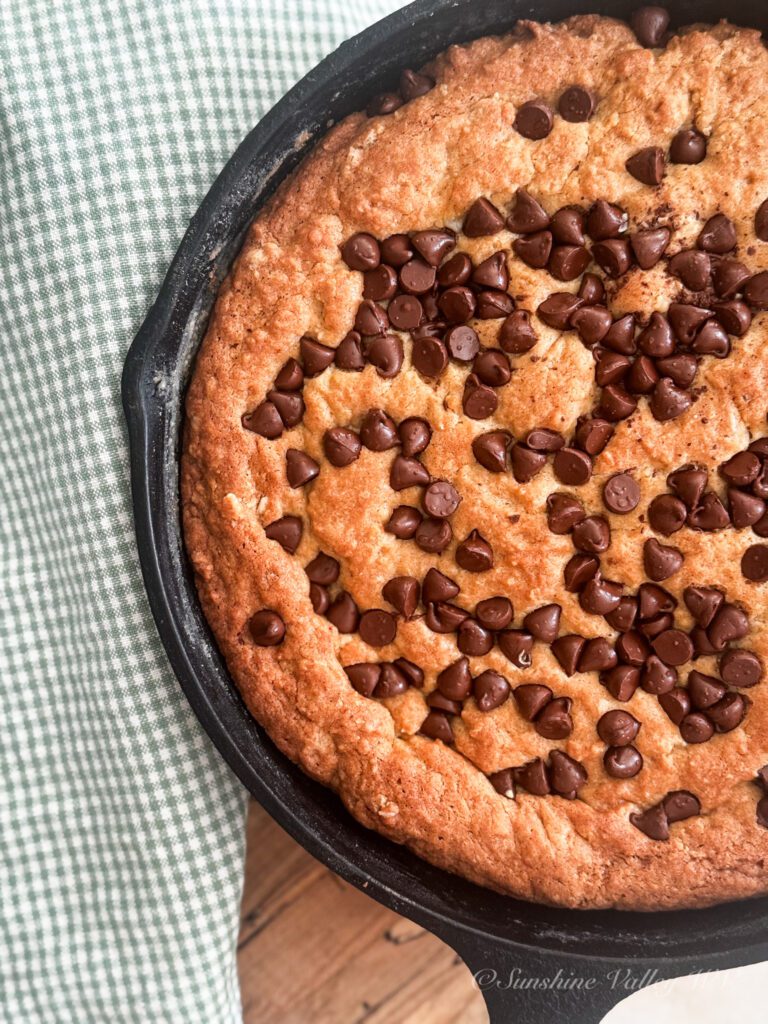
Oats are another simple pantry staple that I like having plenty of once cooler weather arrives.
A warm bowl of oatmeal is inexpensive, filling and easy to customize with whatever we have around: fruit, cinnamon, honey, maple syrup, butter or nuts.
Oats are also useful for granola, cookies, crisps and other baking.
They’re exactly the sort of ingredient I like buying in bulk because they aren’t limited to one particular recipe.
3. Dried Beans and Soup Ingredients
Soup season is one of my favorite parts of fall cooking.
A pot of soup simmering on the stove is inexpensive, forgiving and usually makes enough to feed everyone with leftovers for another meal.
Dried beans are especially handy to keep in the pantry because they store well and can become the base of so many meals.
Depending on what we’re running low on, I might stock things such as:
- Pinto beans
- Black beans
- Kidney beans
- Navy or Great Northern beans
- Lentils
- Split peas
Even if you prefer canned beans for convenience, keeping a supply of dried beans gives you another inexpensive option for meals.
4. Rice and Other Bulk Grains
Rice is another basic ingredient I never mind having extra of.
It can stretch a pot of soup, become a side dish, turn leftover meat into another meal or make a simple supper when the pantry is getting bare.
This is one of the things I especially like about keeping basic ingredients rather than stocking a pantry entirely with prepared foods.
A relatively small collection of versatile staples can make dozens of different meals.
5. Sugar and Natural Sweeteners
Fall baking also means checking the sweetener shelf.
Depending on what we’re using at the time, this might include cane sugar, brown sugar, honey, maple syrup or molasses.
I don’t necessarily buy enormous quantities of every sweetener. I just like knowing that I have enough of the ones we actually use to get through plenty of baking without constantly running out.
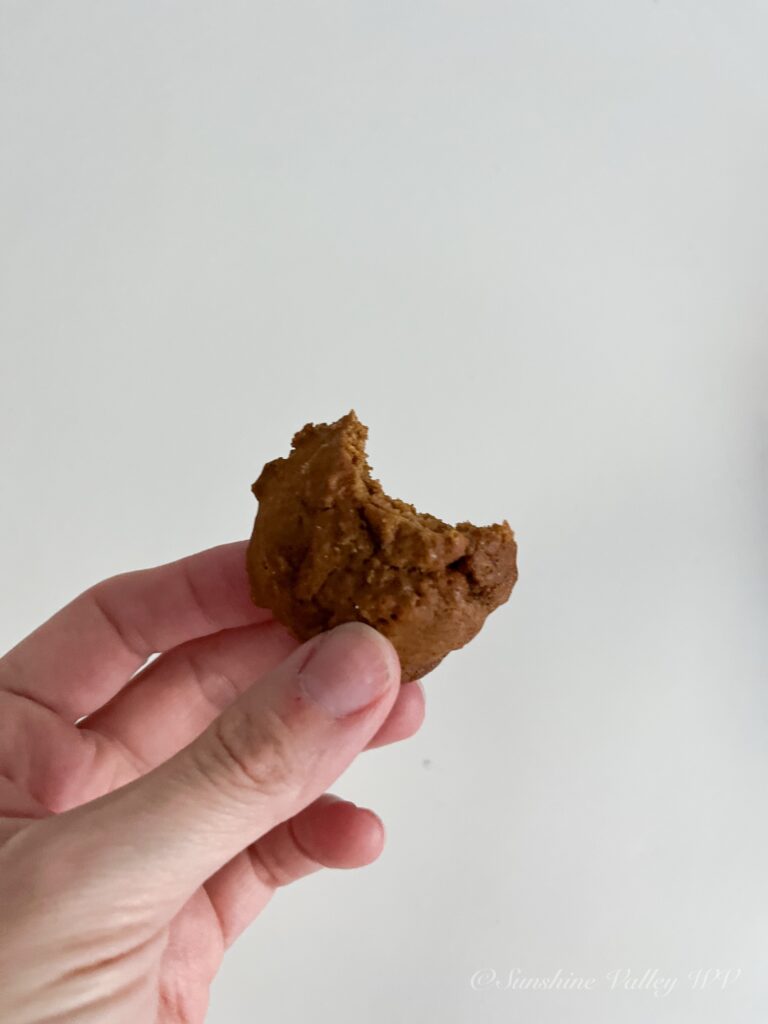
Molasses especially feels like a fall pantry ingredient to me. It belongs in those darker, spiced recipes that start sounding good when the weather turns cold. (Like molasses cookies…a favorite around here in the fall!)
6. Baking Spices
This is also when I check the spice cabinet.
There is nothing more annoying than getting halfway through a recipe and realizing the cinnamon jar has approximately three grains of cinnamon left in it.
Fall is a good time to check:
- Cinnamon
- Nutmeg
- Ginger
- Cloves
- Allspice
- Vanilla
- Cocoa powder
These aren’t necessarily things I need in huge quantities, but they’re ingredients I know we’ll reach for throughout fall and into Christmas baking.
7. Oils, Vinegar and Cooking Basics
These aren’t particularly exciting, but they’re some of the most important things in my pantry.
I like to check our supply of cooking oils, vinegar, salt and other everyday ingredients before winter.
They’re easy to overlook because they aren’t usually the star of a meal, but they’re used in nearly everything.
Having those basics stocked is one of the things that makes a pantry genuinely functional.
8. Nuts, Seeds and Dried Fruit
Nuts, seeds and dried fruit are useful for everything from oatmeal and granola to baking and quick snacks.
These are another category where buying larger packages can sometimes make sense, although I am more careful about how much I purchase because foods with higher oil content don’t necessarily have the same storage life as dried grains or beans.
If I buy larger quantities, I make sure I have a plan for storing them properly.
9. Potatoes, Onions and Other Storage Foods
Fall is also the season when I start thinking beyond dry pantry goods.
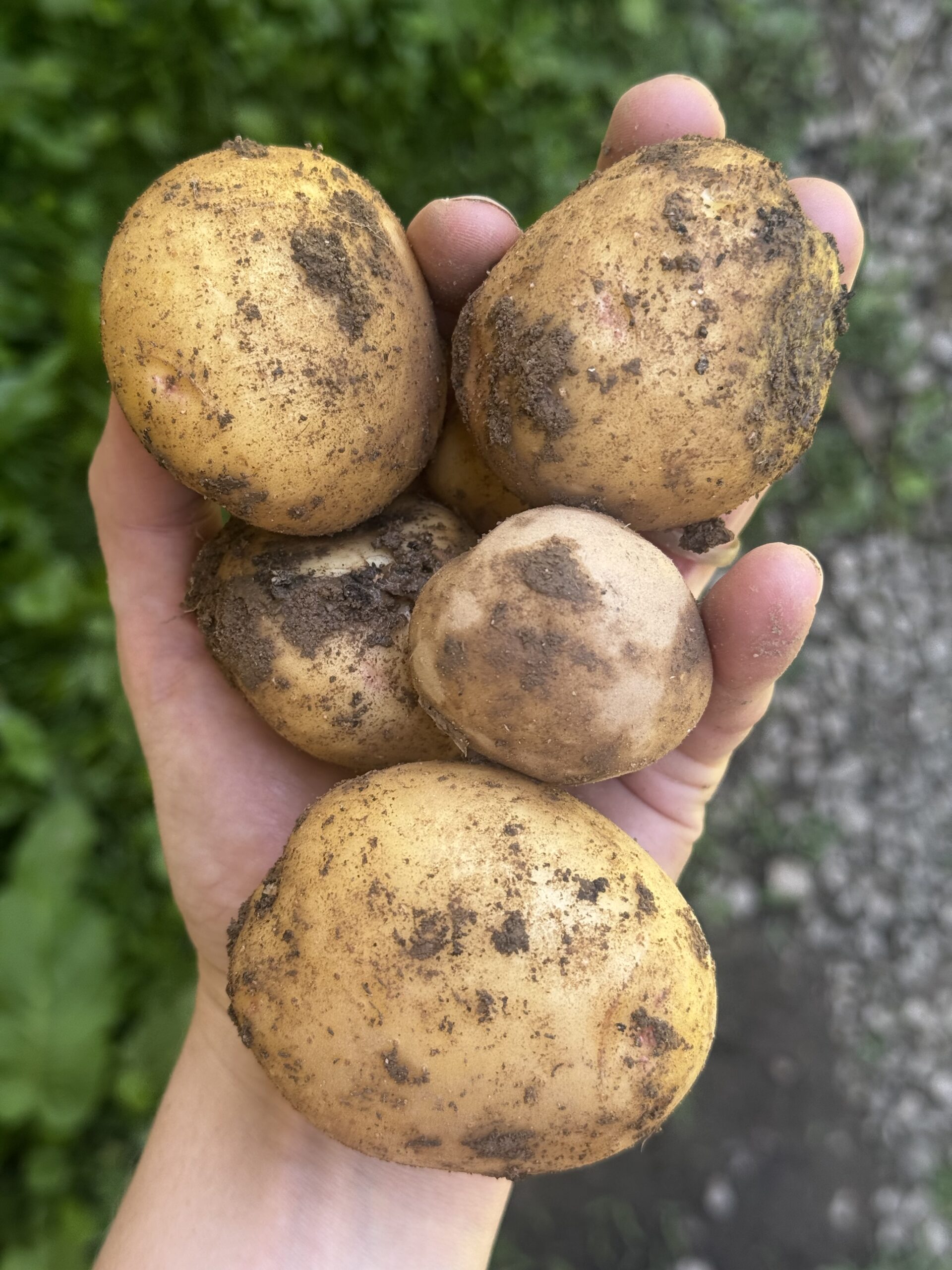
Potatoes and onions can become the foundation of countless inexpensive meals, and they’re foods we use constantly.
Depending on availability, price and what we’ve grown ourselves, I may add storage vegetables to an Azure order or purchase them elsewhere locally.
This is one category where I always compare prices rather than assuming bulk automatically means cheaper.
10. Pantry and Household Basics
One thing I appreciate about Azure Standard is that an order doesn’t have to be limited to food.
Fall is a good time for me to look around the house and notice the things we’re going to need over the next few months.
That could mean food-storage supplies, natural cleaning products or other household staples we regularly use.
I don’t order something simply because Azure sells it. I try to stick with things we already use or genuinely need.
That keeps a “stock-up” order from quietly turning into a very expensive shopping spree.
I Don’t Buy Everything in Bulk
This is probably the most important part of how I use Azure Standard.
Buying in bulk isn’t automatically frugal.
Sometimes Walmart is cheaper. Sometimes a local store has a sale. Sometimes growing it ourselves makes more sense. And sometimes we simply don’t use enough of an ingredient to justify buying a large quantity.
I try to look at the price per pound or ounce, not just the package price.
I also ask myself:
Will we actually use this?
Do I have somewhere to store it?
Can I keep it fresh?
Is the bulk price actually better?
If the answer to those questions isn’t yes, I don’t need to buy it simply because it comes in a giant bag.
How I Decide How Much to Buy
I’ve learned that there is a difference between a stocked pantry and an overstuffed pantry.
My goal isn’t to own the most food possible. My goal is to have enough of the ingredients we regularly use that making meals at home feels easy.
So rather than following someone else’s master pantry list, I pay attention to our own kitchen.
If we go through flour constantly, it makes sense to keep more flour. If a particular kind of bean sits untouched for a year, I don’t need ten pounds of it. Your pantry should reflect the way your family actually eats.
Start With What You Already Use
If you’re placing your first Azure Standard order this fall, I wouldn’t begin with an enormous list of unfamiliar products.
Start with your grocery receipt. Look at the basic ingredients you purchase over and over again. Those are the things worth comparing first. Maybe your list is flour, oats, beans, rice and honey. That’s enough. You don’t need a picture-perfect homestead pantry lined from floor to ceiling with matching glass jars. You need food your family will eat.

A Well-Stocked Pantry Makes Homemaking Easier
I’ve been thinking a lot lately about what makes a home function well.
For years, I think I measured good homemaking by how clean everything looked. But a functioning home is about much more than clean floors and empty laundry baskets. It’s having what we need. It’s being able to make supper. It’s knowing where things are. It’s having clean clothes to wear, food in the pantry and the tools we need to do our work.
Stocking the pantry for fall is one small way I can make life easier for my future self. When cold weather arrives and the days get shorter, I don’t want every meal to require another trip to the store. I want to pull a jar from the shelf, scoop flour from the bin, start a pot of soup and get on with the business of caring for my home and family. And that, to me, is what an old-fashioned pantry has always really been about.