How to Pressure Can Chicken Broth
Learn how to pressure can chicken broth with this beginner-friendly guide. Step-by-step instructions for preserving broth safely and simply.
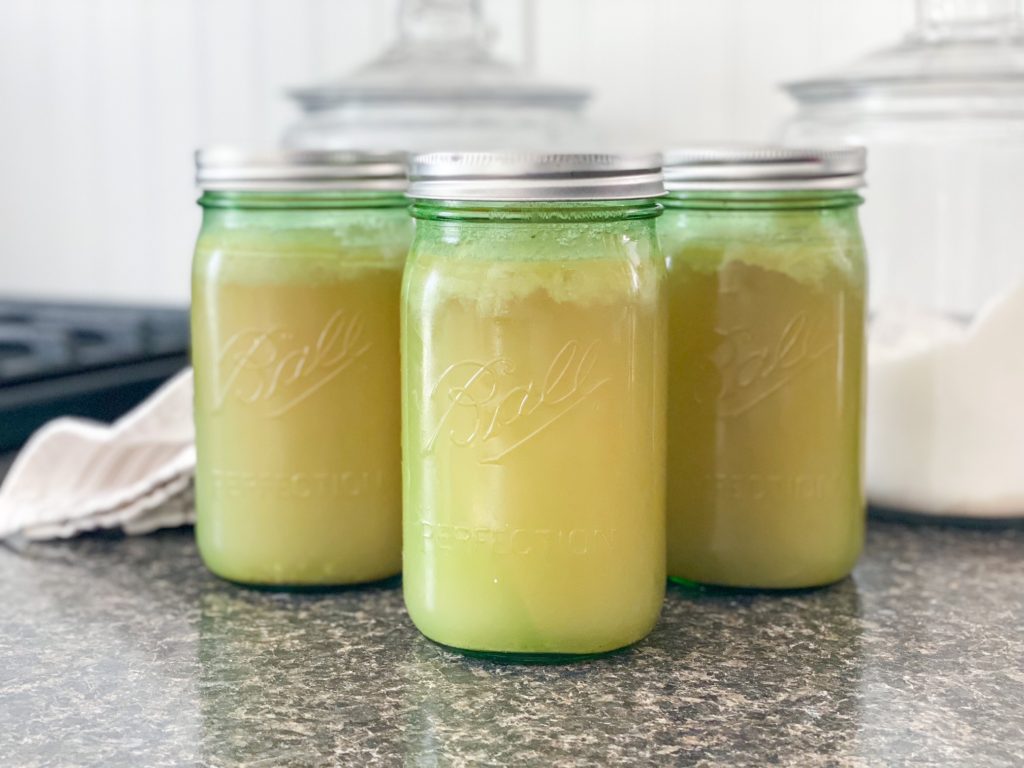
A Step-by-Step Guide to Preserving Homemade Broth for Your Pantry
Homemade chicken broth is one of the most nourishing, frugal, and versatile foods you can make—and pressure canning it is one of the best ways to preserve it.
I always make broth in my Instant Pot (here’s how I do that), then pressure can it in quarts and pints to stock my pantry. It saves freezer space, makes weeknight meals quicker, and gives me peace of mind knowing I have something wholesome and homemade ready to go.
If you’ve ever wondered how to safely can your own broth, this post will walk you through every step, simple, clear, and pressure-canner friendly.
This post may contain affiliate links. Which means I may make a small commission at no additional cost to you. For my full disclosure click here.
🍗 Why Can Chicken Broth?
- It’s shelf-stable for 12–18 months or more
- Saves freezer space
- You always have broth ready for soups, rice, gravies, or sipping when someone’s under the weather
- You control the ingredients—no MSG, fillers, or mystery flavors
Plus, you’re making use of every last bit from your chicken. Nothing goes to waste.
🧂 What You’ll Need
- Freshly made, strained chicken broth
- Pressure canner
- Quart or pint jars, lids, and rings
- Jar lifter, funnel, bubble remover
- Vinegar (for wiping rims and cleaning canner water if needed)
👉 You’ll need about 1 gallon of broth for 4 quarts or 8 pints
🔥 Step 1: Make the Broth
If you haven’t made your broth yet, you can follow my step-by-step method for Homemade Chicken Broth in the Instant Pot. It’s how I always do it—fast, rich, and deeply flavorful.
Once your broth is finished:
- Strain out all solids (bones, veggies, herbs)
- Let the broth cool slightly, then skim off any excess fat if desired
- Keep it hot until ready to can
You can refrigerate it overnight and reheat it the next day if needed.
🫙 Step 2: Prepare Your Jars and Canner
- Wash jars, lids, and rings in hot soapy water
- Keep jars warm in a 200°F oven or in hot water
- Add 2–3 inches of hot water to the bottom of your pressure canner
- Heat the broth to a simmer, but not a boil
🥄 Step 3: Fill the Jars
- Using a funnel, ladle hot broth into jars
- Leave 1 inch of headspace
- Remove air bubbles by running a chopstick or bubble remover along the sides
- Wipe the rims with a vinegar-dampened cloth
- Apply lids and rings fingertip-tight
🌡️ Step 4: Process in the Pressure Canner
Place jars in the canner and lock the lid.
- Vent steam for 10 full minutes before adding the weight or closing the valve
- Bring the canner to 10 PSI (or 15 PSI if you’re above 1,000 feet—check your manual)
Once pressure is reached, start your timer:
| Jar Size | Processing Time |
|---|---|
| Pints | 20 minutes |
| Quarts | 25 minutes |
Maintain steady pressure throughout. Adjust your heat as needed.
⏲️ Step 5: Cool and Store
- When time is up, turn off the heat
- Let the canner depressurize naturally (this can take 45–60 minutes)
- Once pressure reaches zero, remove the weight and open the lid away from you
- Use a jar lifter to carefully transfer jars to a towel-lined counter
- Let cool undisturbed for 12–24 hours
Check seals the next day, remove rings, and label your jars.

📦 Storage and Shelf Life
- Store in a cool, dark place
- Properly canned broth will last 12–18 months or more
- If a jar didn’t seal, refrigerate and use within a week or freeze it
🧑🍳 How We Use Canned Chicken Broth
- In soups and stews
- For cooking rice, quinoa, or pasta
- As the base for sauces and gravies
- As a sipping broth on cold days or when someone’s under the weather
- Anytime I want real, homemade flavor without waiting for it to defrost
💬 Frequently Asked Questions
Do I need to remove all the fat?
No, but it’s best to skim the surface fat to prevent sealing issues or spoilage over time. I leave a little for flavor.
Can I can broth made with onions and herbs?
Yes! The flavorings are fine, but strain everything out before canning.
Do I need to add salt?
Nope—season when you use it. I usually can it plain.
Can I freeze broth instead?
Of course! But canning saves freezer space and gives you shelf-stable backup.
📚 Recommended Resource
When I first started pressure canning, I kept my Ball Complete Book of Home Preserving close by. It’s full of tested recipes and safety information. You can find it here if you’re just getting started!
🫙 Related Posts You Might Like
👉 Pressure Canning 101 – Start here if you’re new to pressure canning
👉 How to Pressure Can Green Beans – Another beginner-friendly pantry staple
👉 Water Bath Canning 101 – Learn the difference between methods
👉 Homemade Chicken Broth in the Instant Pot – My go-to method for rich, flavorful broth