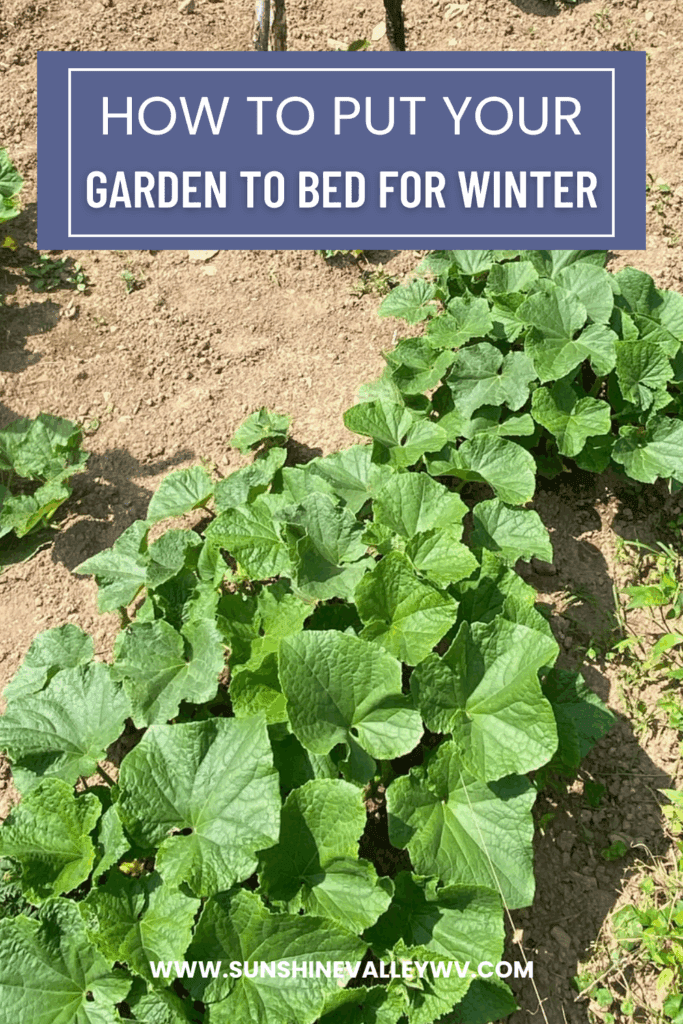
How to Put the Garden to Bed for Winter
Learn how to put the garden to bed for winter with simple, old-fashioned methods. Includes tips for mulching, composting, and the Ruth Stout approach.

There’s something bittersweet about fall in the garden. The last tomatoes hang on the vine, the herbs start to fade, and the morning air carries that unmistakable chill that whispers, It’s time to rest.
As much as I love the planting and harvest seasons, there’s something deeply peaceful about tucking the garden in for winter. Putting your garden to bed isn’t just about cleaning up, it’s about preparing your soil to rest, replenish, and be ready for another season of abundance.
This year, I’ve been experimenting with the Ruth Stout method of gardening, and it has completely changed how I think about preparing my garden for the colder months. Instead of viewing fall cleanup as a chore, I now see it as part of the rhythm of simple living, working with the earth instead of against it.
What It Means to “Put the Garden to Bed”
When we say we’re putting the garden to bed, we’re really just mimicking what nature already does on her own. Plants die back, leaves fall, and the ground slowly becomes covered with organic matter. This natural blanket protects the soil, feeds the worms, and keeps everything alive just below the surface until spring.
In modern gardening, we often strip everything bare, but that actually robs the soil of protection and nutrients. By using old-fashioned methods like Ruth Stout’s deep mulch system, we can let the garden rest the way it was designed to.
Step 1: Remove Diseased or Pest-Damaged Plants
The first step is to pull anything that was diseased or heavily pest-ridden. Tomato blight, powdery mildew, or beetle-damaged leaves can overwinter in the soil and cause problems next year.
Add healthy plant matter to your compost pile, but don’t compost diseased plants. Burn or dispose of those separately.
Tip: If you’ve made apple scrap vinegar, the leftover peels and cores make wonderful additions to your compost pile!
Step 2: Add Compost and Organic Matter
Once your beds are cleared of unhealthy plants, it’s time to feed the soil. Add a generous layer of compost, manure, or decomposing plant material to nourish your beds through winter.
I like to clean out the barn at this stage, spreading a thin layer of rabbit or goat manure (which are both “cool” manures safe to apply directly). If you don’t have animals, homemade compost or even kitchen scraps work beautifully.
Related post: How to Start a Compost
Step 3: Mulch Deeply — The Ruth Stout Way
This is where the Ruth Stout method truly shines. Instead of tilling or turning the soil, you simply cover it… deeply.
I spread a thick layer of hay or straw, usually 6–8 inches deep, right over the compost and remaining plant material. The idea is to imitate the forest floor…always covered, never bare.
Here’s what I’ve noticed after experimenting with this method:
- The soil stays softer and richer, even through winter.
- I see far fewer weeds in the fall.
- The mulch layer provides insulation and feeds earthworms.
- It feels far less like “work” and more like a natural rhythm, layering, protecting, and letting nature handle the rest.
Even better? In spring, I can plant directly through the mulch without tilling. The decomposed layers have already done the work for me.

Step 4: Protect Perennials and Beds
If you grow herbs, asparagus, or strawberries, give them a little extra attention before the freeze sets in. Trim back dead foliage and cover the crowns with a few inches of mulch or straw to protect them from frost.
Raised beds can also benefit from a blanket of mulch or even a simple cover of cardboard to suppress weeds and preserve moisture.
Step 5: Clean and Store Tools
Once your garden is tucked in, take a few minutes to care for your tools. Wash off dirt, sharpen blades, and lightly oil them before storing. It’s a simple habit that saves so much frustration when spring planting begins again.
I also like to take stock of what needs replaced or repaired, a broken handle, worn gloves, or cracked pots, and add those to my list for winter sales.
Step 6: Reflect and Give Thanks
Before I officially call it done, I always take a few minutes to just stand in the garden, even if everything looks brown and tired. It’s a good reminder that rest is part of the growing process.
Our homes, our hearts, and our gardens all need seasons of rest to be fruitful again.
“To everything there is a season, and a time to every purpose under the heaven.”
— Ecclesiastes 3:1
When I look out across the mulch-covered beds, I see hope, a quiet kind of productivity happening beneath the surface.
Closing Thoughts
Putting the garden to bed for winter is one of those deeply satisfying homestead tasks that connects you back to the rhythms of creation. With just a little effort now, layering compost, spreading mulch, and protecting perennials, you’ll give your soil the rest it needs to come back stronger in spring.
And if you’re anything like me, you’ll find that this slow, simple process feels like a gift, a quiet close to another season of growth. 🌾