How to Pressure Can: A Beginner’s Guide to Safe, Simple Home Canning
Learn how to pressure can safely and confidently with this step-by-step guide for beginners. Perfect for preserving vegetables, broth, and more at home.
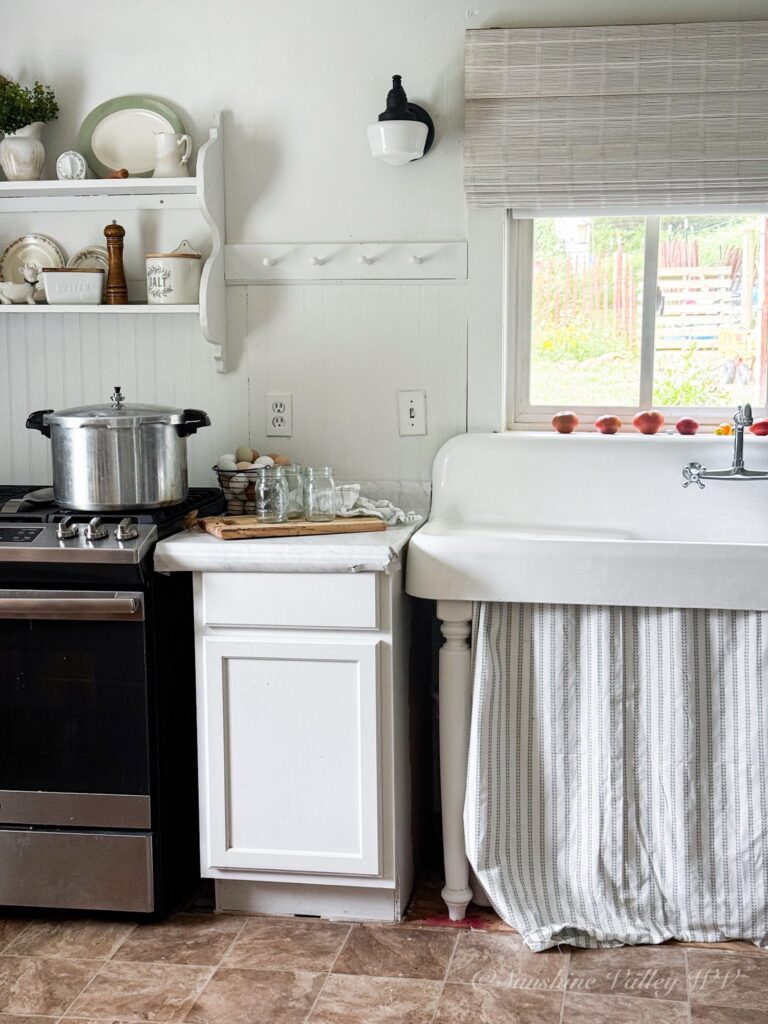
How to Pressure Can Without Fear (Yes, Even You Can Do This!)
For years, I was afraid of pressure canning.
Maybe you’ve heard the horror stories too…exploding canners, blown-up kitchens, or your grandma telling you to “stand back just in case.” It’s no wonder so many homemakers stick to water bath canning and never go near a pressure canner.
But here’s the truth:
Pressure canning isn’t scary when you understand how it works.
In fact, it’s one of the most practical and empowering skills a homemaker can learn, especially if you want to preserve vegetables, broths, soups, or meats.
If you’ve ever thought “I wish I could pressure can, but I’m too nervous,” this post is for you. I’ll walk you through everything step-by-step, explain what’s actually happening inside the canner, and help you overcome the fear that’s holding you back.
This post may contain affiliate links. Which means I may make a small commission at no additional cost to you. For my full disclosure click here.
🫙 What Is Pressure Canning?
Pressure canning is a method of food preservation that uses high heat and pressure to safely can low-acid foods. Unlike water bath canning (which only reaches 212°F), pressure canning allows the temperature to climb to 240°F or more, hot enough to kill botulism spores and other bacteria that could make low-acid foods unsafe.

🥫 What Foods Must Be Pressure Canned?
Any food with a pH above 4.6 is considered low-acid and must be pressure canned. That includes:
- Green beans
- Carrots
- Corn
- Potatoes
- Dry beans
- Broth and stock
- Soups and stews
- Meats and poultry
You cannot safely water bath can these foods, no matter how long you boil them. (I know Great-Grandma may have done it, but we now know better!)
🧂 What You Can’t Pressure Can:
- Anything too thick (like mashed potatoes or flour-thickened sauces)
- Foods with dairy, butter, or eggs
- Most purees and blended soups
- Dry or low-moisture foods (use a dehydrator instead)
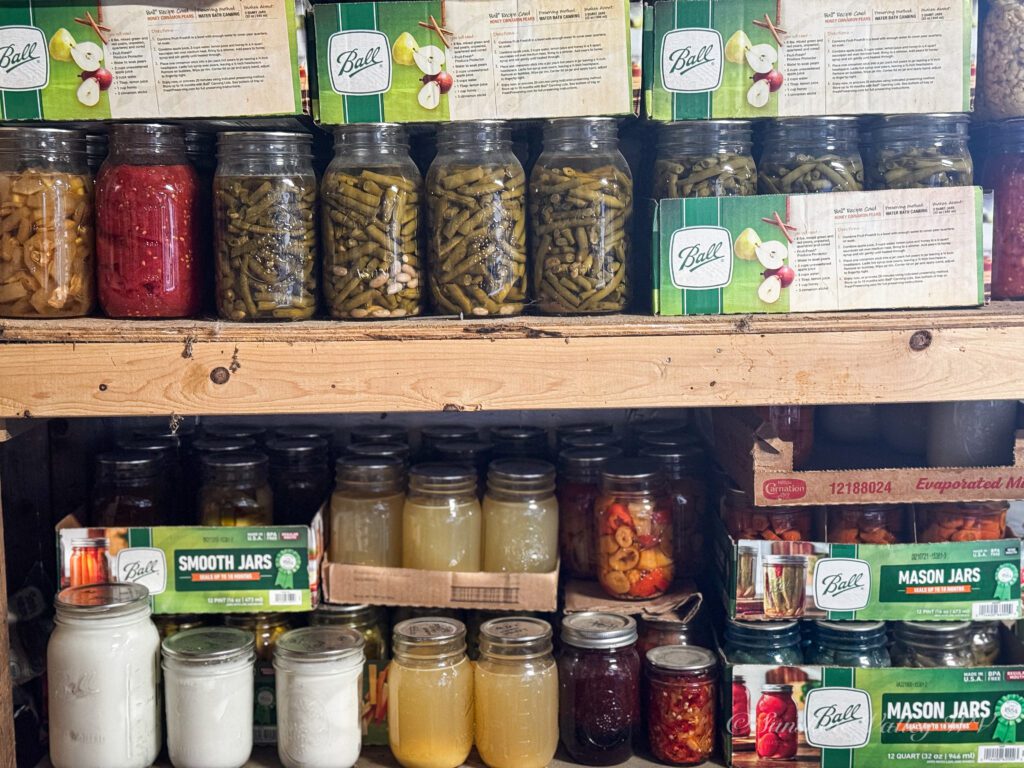
🧰 Pressure Canning Equipment You’ll Need
You don’t need a fancy setup, just the right tools and a little patience.
✅ Essential Equipment:
- A pressure canner (not the same as an electric pressure cooker like the Instant Pot!)
- Canning jars (pints or quarts)
- New lids and rings
- Jar lifter
- Funnel
- Bubble remover or wooden chopstick
- Kitchen towel
- Stovetop (electric coil or gas preferred)
👉 Note: Some glass-top stoves are not safe for heavy canners. Check your manufacturer’s guide or consider using a propane burner outside.

🔧 Types of Pressure Canners
There are two main types:
1. Dial Gauge Canner
You manually monitor the pressure with a dial. Must be tested annually for accuracy.
2. Weighted Gauge Canner
Uses a weight (usually 10 or 15 lbs) to maintain consistent pressure. Easier for beginners.
👉 I personally prefer the Presto or All American models, depending on your budget and stovetop.
Step-by-Step: How to Pressure Can
Let’s walk through the process using green beans as an example.
Step 1: Prepare Your Jars and Food
- Wash your jars, lids, and rings in hot soapy water.
- Wash and prep your produce (snap beans, peel carrots, etc.).
- Heat the food if using the hot pack method, or pack raw into jars.
Step 2: Fill the Jars
- Add produce to jars, leaving proper headspace (usually 1 inch).
- Add boiling water or broth to cover.
- Remove air bubbles, wipe rims, and apply lids fingertip-tight.
Step 3: Add Water to the Canner
- Add 2–3 inches of hot water to your pressure canner (not a full pot).
- Place the jars on the rack inside the canner.
Step 4: Lock the Lid and Vent
- Lock the lid securely in place.
- Turn the heat to high and let steam vent for 10 full minutes through the open vent pipe.
- After venting, add the weight (or close the valve) to begin building pressure.
Step 5: Bring to Pressure
- Watch the gauge or listen for the jiggle (depending on your canner).
- Start timing only after full pressure is reached (e.g. 10 PSI or 15 PSI, depending on altitude and food).
- Adjust the heat to maintain pressure without wild fluctuations.
Step 6: Process for the Recommended Time
For green beans:
- Pints: 20 minutes
- Quarts: 25 minutes
(Follow a tested recipe for exact times based on food type and altitude)
Step 7: Let Pressure Drop Naturally
- Turn off heat and let the canner cool completely.
- Do NOT open the lid or remove the weight until pressure is fully back to zero.
- This can take 30–60 minutes.
Step 8: Remove and Cool the Jars
- Carefully open the lid away from your face.
- Use a jar lifter to remove jars and place them on a towel.
- Let them sit, undisturbed, for 12–24 hours.
Step 9: Check Seals and Store
- Check lids by pressing the center. If it doesn’t move, it’s sealed!
- Label jars and store in a cool, dark pantry.

💬 Common Pressure Canning Fears (and the Truth!)
“What if the canner explodes?”
Modern canners are built with safety valves and locks. As long as you follow the instructions, you’re safe. Steam is powerful, but it’s not dangerous when used correctly.
“What if I mess up the pressure?”
It’s okay. Stay close to your stove while canning, and adjust the heat as needed. You’ll get the hang of it fast.
“What if I break jars or lose seals?”
It happens to everyone now and then. Just refrigerate and use unsealed jars quickly. Practice makes progress.
🫙 Beginner-Friendly Pressure Canning Recipes to Try First
When I first learned how to pressure can, I leaned heavily on the Ball Blue Book and Ball Complete Book of Home Preserving. They’re packed with tested recipes, safe processing times, and helpful charts I still reference every season.
👉 You can find them here on Amazon or at most local farm stores. I highly recommend keeping one on hand!
- Green beans (hot or raw pack)
- Chicken broth or bone broth
- Carrots (peeled and sliced)
- Dry beans (soaked, hot packed, no seasonings)
- Cubed potatoes (peeled, in water)
👉 Start with single-ingredient foods, no fancy soups yet! Once you’re confident, move up to full meals-in-a-jar.
📖 Final Thoughts
Pressure canning is one of the most empowering homemaking skills you can learn. It gives you the ability to preserve nourishing food, save freezer space, and build a pantry filled with real ingredients you can trust.
Yes, it can feel intimidating at first, but so did driving a car. Or baking your first loaf of bread. This too can become second nature.
Start simple. Follow trusted recipes. And give yourself permission to learn.
You were never meant to live in fear. You were meant to live in faith and wisdom.