Simple Old-Fashioned Winter Chicken Care
Learn how to care for chickens in winter the old-fashioned way, without heat lamps or artificial lighting. Simple, natural winter chicken care anyone can follow.

There’s a simple, old-fashioned way to care for chickens in winter… and it works beautifully.
Every year when the temperatures drop, the same questions start circulating in the homesteading world:
Do chickens need heat lamps? Should I add artificial lighting? Will they be okay in negative temperatures?
My answer is always the same:
God designed chickens to thrive in winter.
We don’t need to override His design with heat lamps, extension cords, or artificial lighting.
We simply need to give them:
- good housing,
- good ventilation,
- good nutrition,
- and good, old-fashioned care.
That’s been my approach for years, and through Appalachian winters, our flock has stayed healthy, productive, calm, and content.
Today I’m sharing exactly how we care for our chickens in winter, the simple way.
1. Skip the Heat Lamps (They Do More Harm Than Good)
Heat lamps are one of the most dangerous things you can introduce into a coop.
They can:
- cause fires,
- prevent birds from properly acclimating,
- and create sudden temperature swings that lead to respiratory issues.
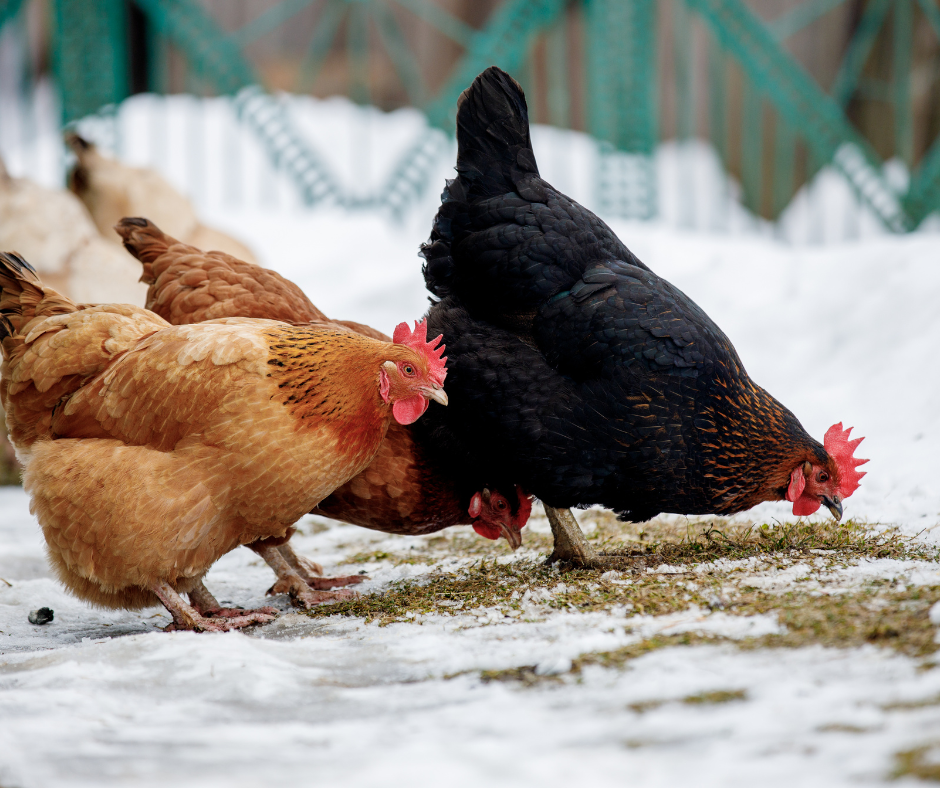
A chicken’s feathers act like its winter coat, not literally, but functionally.
Their feathers trap warm air and insulate their bodies exactly the way God intended.
When chickens don’t need heat lamps:
- they’re a cold-hardy breed
- they’re healthy
- they’ve had proper care and nutrition year-round
- your coop is draft-free but well-ventilated
When heat becomes dangerous:
- sudden, unnatural changes from warm → cold
- stressed birds crowding one warm spot
- moisture buildup from humidity
A calm flock acclimates beautifully to winter. Heat lamps often cause the opposite.
2. No Artificial Lighting — Let Their Bodies Rest
Many chicken keepers use artificial lighting to force egg production through winter. But hens aren’t meant to produce eggs year-round.
Winter is their God-given time of rest.
Shorter days signal a natural break for their bodies to recover.
No artificial lighting means:
- less stress
- better overall health
- improved long-term laying
- more natural rhythms in your coop
And honestly?
A restful, low-pressure winter flock is a joy to care for.
3. Prioritize Ventilation, Not Warmth
This surprises people, but it’s the most important part of winter chicken care:
Your coop needs to be draft-free at bird level but well-ventilated up high.
Moisture causes frostbite — not cold.
Chickens give off a surprising amount of humidity through breathing and manure. Without ventilation, moisture builds up and settles on their combs and wattles.
A good winter coop has:
- a solid roof
- no drafts at roost height
- vents or windows near the top
- dry bedding
- elevated roosts
You’re not trapping heat, you’re letting moisture escape.
4. Deep Bedding for Natural Warmth
I use a modified deep bedding method in winter because it gives the chickens a warm, dry place to scratch and settle.
Benefits include:
- natural insulation
- reduced coop smell
- composting warmth
- less frequent cleaning
Use:
- pine shavings
- straw
- leaves
- or a mix of all three
Add more bedding as needed to keep everything dry and fluffy.
5. Boost Nutrition Before Winter, Not During
This is the part nobody talks about.
People try to “fix” winter problems in December…
when the work needed to be done in July.
Strong immunity is built through:
- quality feed
- clean water
- fresh greens during the growing season
- clean living quarters
If the flock is thriving all year long, they will naturally handle winter exceptionally well.
In winter, I simply:
- keep feed available
- add a scoop of black oil sunflower seeds for extra fat
- give occasional protein boosts (like scrambled eggs or meat scraps)
6. Keep Fresh Water Available (Without Fancy Gadgets)
Chickens need water more than heat.
If water is frozen, they can’t digest food well, which leads to health issues quickly.
Simple water tips:
- use rubber tubs that are easy to dump
- refill morning + evening
- keep water inside coop on extra cold mornings
- avoid heated plastic waterers (they crack easily)
You don’t need an expensive system.
Just a simple routine.

7. Give Them Room to Roost High
Chickens stay warm by:
- fluffing their feathers
- tucking feet under their bodies
- huddling together
A good roost:
- is higher than nesting boxes
- is thick enough for feet to grip
- keeps chickens off the cold ground
2x4s turned flat-side-up are classic for a reason, birds can keep their toes warm this way.
8. Expect Fewer Eggs — And Be Okay With It
Egg production naturally slows when:
- days get shorter
- molting occurs
- they’re resting
This is GOOD.
It means their bodies are doing what they’re designed to do.
Come spring, you’ll be rewarded with healthy, strong, consistent layers.
Final Thoughts: Old-Fashioned Care is Still the Best Care
The longer I homestead, the more convinced I am:
Simple, old-fashioned methods work.
God gave chickens everything they need to thrive in winter, warm feathers, natural instincts, and the ability to acclimate.
We don’t need:
- heat lamps
- extension cords
- artificial lighting
- complicated setups
We just need to support the design He already created.
Your flock will be calmer, healthier, and more resilient because of it.