10 Non-Toxic House Plants Safe for Kids and Pets
House plants are beautiful additions to your décor, but are they safe for your precious children and pets? Today, I’m sharing 10 non-toxic house plants that are safe to have around them both!
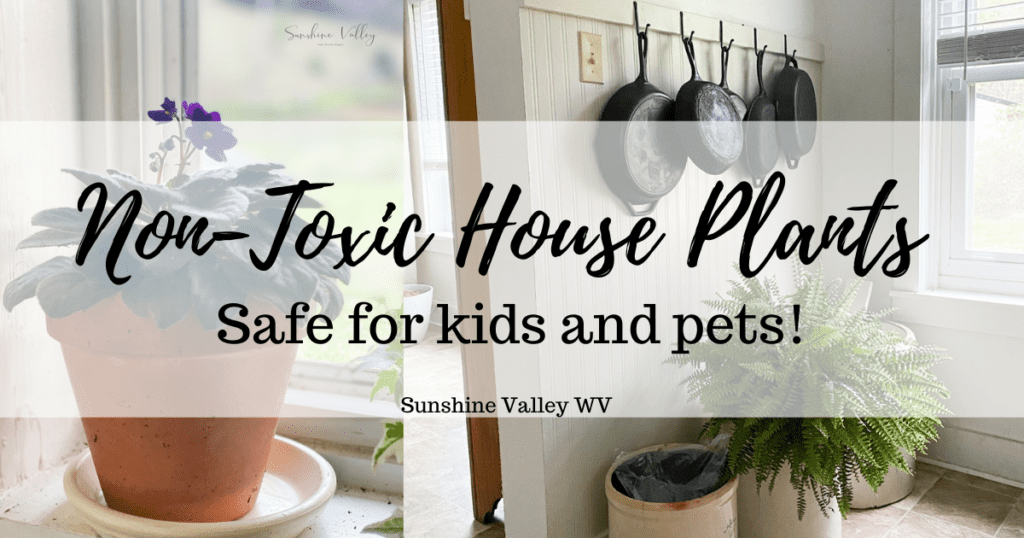
Houseplants are a beautiful way to bring warmth, life, and softness into your home, especially during the quieter winter months. But once you have young children or pets, it’s natural to pause and ask an important question:
Are the plants in my home actually safe?
While many popular houseplants can be toxic if ingested, there are also plenty of lovely options that are considered non-toxic and family-friendly. With a little intention, you can enjoy real greenery indoors without constant worry.
Below are 10 non-toxic houseplants that are generally considered safe to have around children and pets, along with simple care notes for each.
As always, it’s wise to supervise young children and animals and consult a professional if ingestion is a concern.

1. Boston Fern
Boston ferns have a timeless, nostalgic feel. They instantly bring to mind front-porch summers and slower days—but they also make wonderful indoor plants year-round.
Boston ferns prefer:
- Bright, indirect light
- Higher humidity
- Even moisture
They’re non-toxic and add soft texture to shelves, plant stands, or hanging baskets, making them a gentle addition to family spaces.
2. Polka Dot Plant
Polka dot plants are cheerful and charming, with speckled leaves that add interest without overpowering a space.
They do best in:
- Bright to medium light
- Consistently moist soil
These small plants are perfect for tabletops or windowsills and are considered non-toxic to both children and pets.
3. Peperomia
Peperomia varieties are compact, easy to care for, and ideal for busy households.
They thrive in:
- Medium to bright indirect light
- Light watering (allow soil to dry slightly between watering)
Peperomia plants are a great choice if you want something low-maintenance that still feels special.
4. Baby Tears
Baby tears is a delicate, fast-growing plant often used as ground cover in terrariums.
It prefers:
- Indirect light
- Consistently moist soil
Because it spreads easily, it’s best kept in pots indoors. Its soft, trailing appearance works well in cozy corners or small plant groupings.
5. Spider Plant
Spider plants are a classic for good reason. They’re hardy, adaptable, and forgiving—perfect for beginners.
They tolerate:
- A wide range of light
- Irregular watering
- Varying humidity
Spider plants are non-toxic and known for their air-purifying qualities, making them especially nice for bedrooms and living spaces.

6. African Violet
African violets are a sentimental favorite in many homes, and they add a quiet beauty with their soft leaves and colorful blooms.
They prefer:
- Bright, indirect light
- Warm temperatures
- Consistent moisture (from the bottom when possible)
These non-toxic plants are well-suited for kitchen windowsills and cozy indoor spots.
7. Gloxinia
If you enjoy African violets, gloxinia may be another plant to try. Their velvety flowers are striking yet gentle.
They grow best with:
- Indirect light
- Even moisture
- Warm indoor temperatures
While they require a bit more care, gloxinia plants are non-toxic and rewarding for patient growers.
8. Prayer Plant
Prayer plants are known for their unique leaves that fold upward at night, resembling hands in prayer.
They need:
- Indirect light
- Consistently moist soil
- A bit of humidity
Though slightly more finicky, prayer plants are non-toxic and bring quiet movement and interest into a room.

9. Rosemary
Rosemary can be grown indoors with the right conditions and offers both beauty and usefulness.
It prefers:
- Plenty of sunlight
- Well-draining soil
- Light, consistent watering
Rosemary is non-toxic and adds a lovely fragrance to your home, especially during winter.
10. Fittonia (Nerve Plant)
Fittonia is a low-growing plant with striking veined leaves.
It does well in:
- Low to medium light
- Moist soil
- Humid environments
This non-toxic plant works beautifully in small pots or grouped with other houseplants.
Creating a Safer, Cozier Home With Plants
Incorporating non-toxic houseplants into your home allows you to enjoy the benefits of real greenery—improved air quality, reduced stress, and a softer atmosphere—without unnecessary worry.
Real plants bring life into a home in a way very few things can. With this list of non-toxic houseplants, you can choose greenery that feels both beautiful and wise for your family.
If you have a favorite non-toxic plant you love to grow, I’d love to hear about it.
If you’d like to create a quiet, restful space to enjoy your plants, you may also enjoy:
👉 How to Create a Cozy Reading Nook in Your Home