How Great-Grandma Got Dinner on the Table (Without a Meal Plan or Grocery List)
Discover how great-grandma got dinner on the table with purpose and simplicity—no meal plans, no apps, just rhythm and resourcefulness.
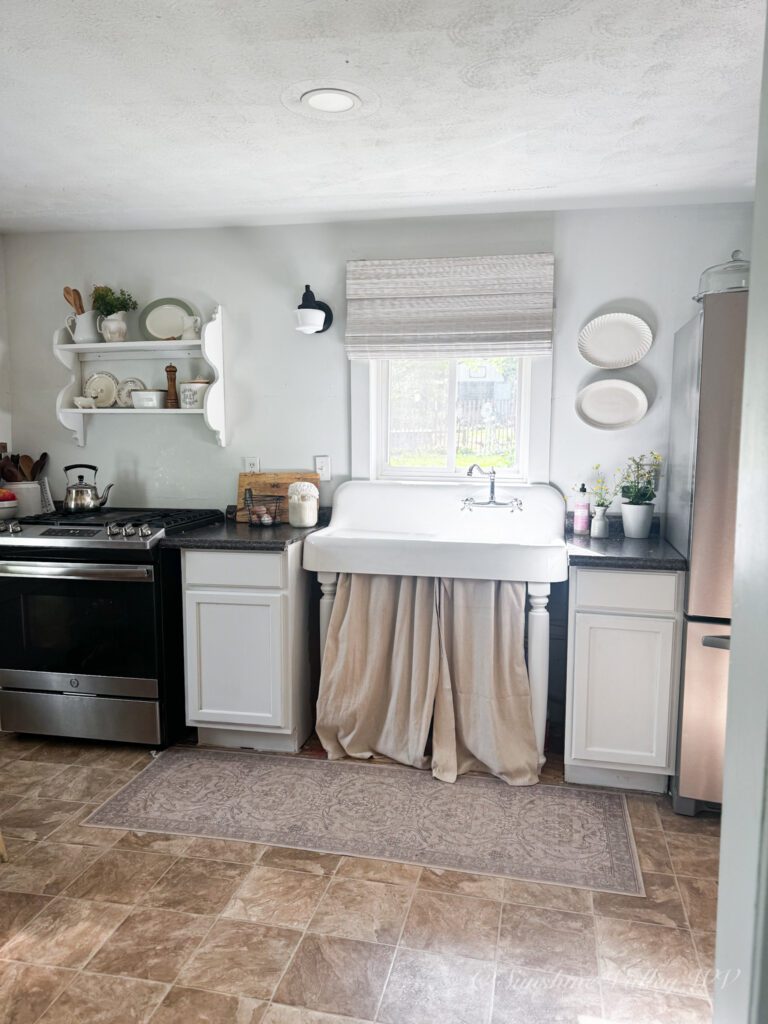
There’s something strangely comforting about the thought of great-grandma in her kitchen, apron tied, hands dusted in flour, making dinner without a meal plan or a mile-long grocery list. Somehow, she got dinner on the table day after day without Pinterest boards or printable planners. So how did she do it?
The short answer? Rhythm. Simplicity. And an unshakable sense of purpose.
Let’s take a look at the principles behind how great-grandma got dinner on the table, and how we can adopt them in our own modern kitchens.
1. She Cooked What She Had
Instead of planning meals around elaborate recipes or sales flyers, she planned around her pantry. The garden, the cellar, the meat she had preserved. These were her grocery store. She knew how to stretch ingredients and repurpose leftovers into something new.
You can try it too: Challenge yourself to cook just from what’s already in your pantry, fridge, or garden one day a week. You’ll not only save money, but you’ll also learn to be creative with what you have.
I’ve shared how you can create your own vintage style pantry. You can read that here: Stocking a Vintage-Inspired Pantry: Simple Old-Fashioned Wisdom for Modern Homemakers. I love that my great-grandma would be able to recognize all the items in my pantry, and cook a meal right along side me.
2. She Had a Weekly Kitchen Rhythm
Monday might have been for soup and bread. Tuesday for baked beans. Wednesday for pot roast if there was meat leftover. Great-grandma didn’t reinvent the wheel every week. She let repetition create peace.
Try this: Create a loose weekly meal rhythm like:
- Monday: Soup & homemade bread
- Tuesday: Rice or potato-based dish
- Wednesday: Slow cooker or roast day
I use this principle for my homemaking to take the guess work out. You can read that whole post here: How To Create an Old-Fashioned Homemaking Routine

3. She Kept the Meals Simple
Dinner wasn’t three side dishes and an appetizer. It was often one main dish. They were nutrient-dense, filling, and homemade. Simple didn’t mean boring. It meant manageable. It meant sustainable.
As I’ve mentioned before, I don’t love to cook. I’ve landed on a very simple “meal formula” that I follow to keep things really simple. Protein, vegetable, starch, and occasionally a fruit for dessert. This takes the guess work out of supper for me.
Try this: If cooking feels overwhelming, return to basics. One-pot meals, skillet dinners, and oven bakes go a long way.
4. She Used Her Hands and Her Senses
There were no timers or fancy gadgets. Great-grandma used smell, taste, and texture to guide her cooking. She relied on experience—and on teaching her children by doing, not overcomplicating.
Try this: Cook without a timer this week. Let your senses tell you when the onions are ready or the bread is done. It’s a little scary—and wonderfully freeing.

5. She Let the Seasons Guide Her
In spring and summer, meals were lighter. In winter, they were hearty. She followed the rhythm of the land—not because it was trendy, but because it was the only way.
Try this: Base next week’s meals on what’s in season. Zucchini, tomatoes, fresh herbs…keep it simple and let the ingredients shine.
What This Means for Us Today
You don’t have to go back in time to reclaim this kind of peaceful, purpose-filled approach to dinner. Start small:
- Cook from what you have
- Repeat meals that work
- Simplify without shame
- Trust yourself in the kitchen
Because maybe the best thing we can do is stop trying to be gourmet chefs and instead just be faithful homemakers.
Great-grandma didn’t need a meal plan. She had rhythm. And you can, too.